
Compliance
BSCI and Factory Audit Guide for Cookware Brands
How cookware brands can think about BSCI, social compliance, and factory audit expectations during supplier selection.
2026-06-12 · 6 min read
3-minute key takeaways
- BSCI is part of supplier responsibility review, not a product safety test.
- Brand buyers often need both social compliance and product compliance documents.
- Audit expectations should be discussed before supplier approval.
Separate factory compliance from product compliance
BSCI and social audits relate to factory systems and responsibility. FDA, LFGB, and similar documents relate more directly to food-contact product expectations.
Brand buyers often need both categories before onboarding a supplier.
Ask what your channel requires
Retailers, importers, marketplaces, and brand headquarters may require different audit documents or supplier questionnaires.
The buyer should share these expectations early so the supplier can confirm whether it can support them.
Use audits as part of a broader supplier review
A factory audit is useful, but it does not replace sample approval, production inspection, packaging review, and shipment control.
The strongest supplier review combines compliance documents with operational evidence.
Summary
BSCI and factory audits help cookware brands evaluate supplier responsibility, workplace systems, and buyer policy alignment. They should be reviewed alongside product quality and food-contact documents.
Proof request paths
Proof packages connected to this guide
Use these paths to request source materials and proof FAQ answers for this article topic. They help buyers review what to ask for before relying on documents, media, customer evidence, platform profiles, patent details, or order records as public proof.
Proof package to request for Compliance document scope review
What certificate, report-scope, holder, date, and product details should a buyer request before relying on Compliance document scope review?
Use this proof path when the Compliance guide "BSCI and Factory Audit Guide for Cookware Brands" needs source-scoped support for compliance review before a buyer relies on supplier documents, media, sample context, packaging details, or compliance scope.
Proof FAQ questions to check
- What should buyers request for Compliance document scope review?
- Which evidence boundary applies before relying on Compliance document scope review?
- How can buyers add the Compliance document scope review proof package to an RFQ?
Proof package to request for Final quality inspection
What inspection, QC, testing, or report-scope proof should a buyer request before using Final quality inspection in supplier review?
Use this proof path when the Compliance guide "BSCI and Factory Audit Guide for Cookware Brands" needs source-scoped support for quality review before a buyer relies on supplier documents, media, sample context, packaging details, or compliance scope.
Proof FAQ questions to check
- What should buyers request for Final quality inspection?
- Which evidence boundary applies before relying on Final quality inspection?
- How can buyers add the Final quality inspection proof package to an RFQ?
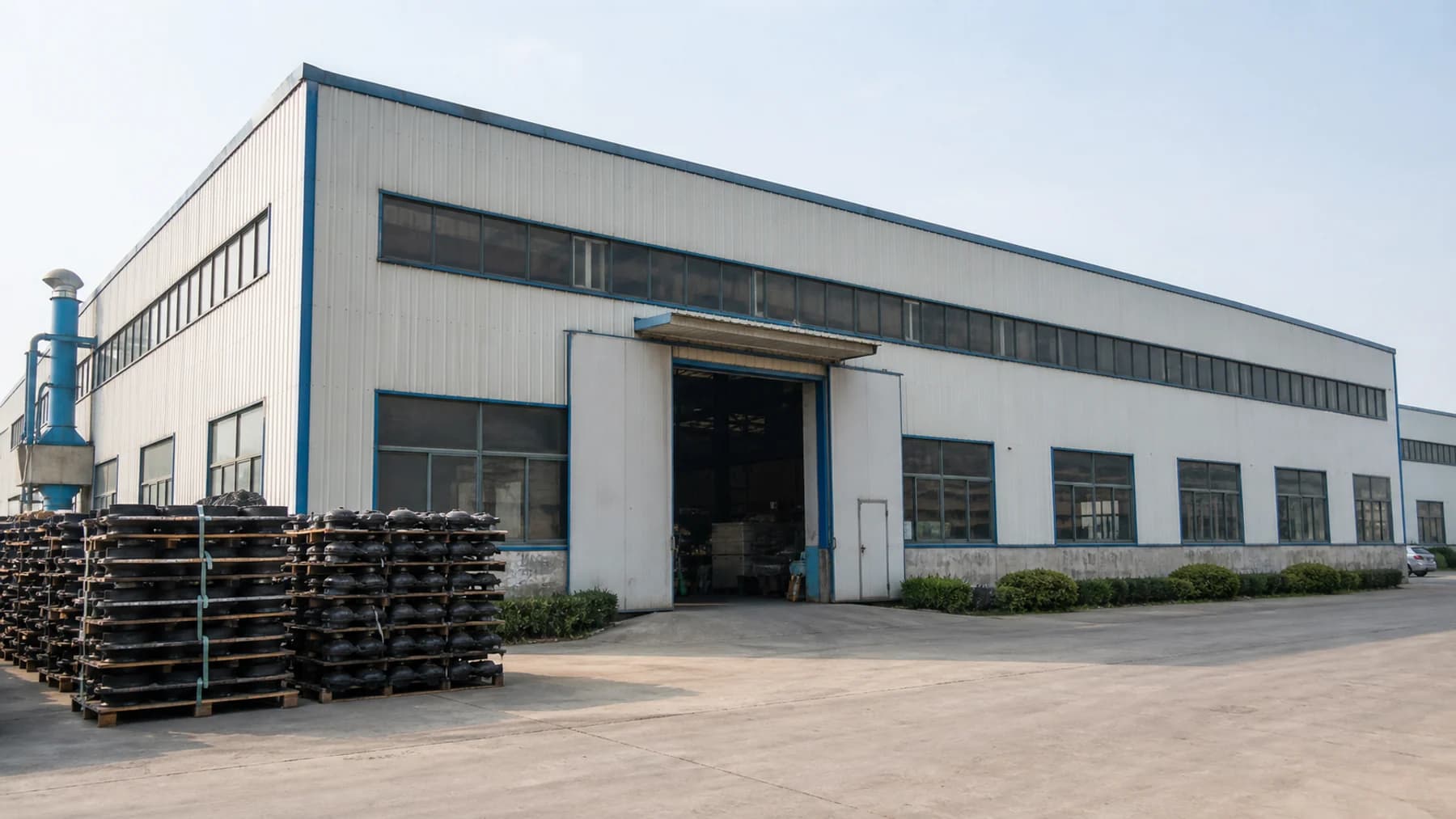
Proof package to request for Factory exterior and export base
What factory, process, or production proof should a buyer request before using Factory exterior and export base in a supplier review or RFQ?
Use this proof path when the Compliance guide "BSCI and Factory Audit Guide for Cookware Brands" needs source-scoped support for factory review before a buyer relies on supplier documents, media, sample context, packaging details, or compliance scope.
Proof FAQ questions to check
- What should buyers request for Factory exterior and export base?
- Which evidence boundary applies before relying on Factory exterior and export base?
- How can buyers add the Factory exterior and export base proof package to an RFQ?
Proof package to request for Sample approval desk
What inspection, QC, testing, or report-scope proof should a buyer request before using Sample approval desk in supplier review?
Use this proof path when the Compliance guide "BSCI and Factory Audit Guide for Cookware Brands" needs source-scoped support for quality review before a buyer relies on supplier documents, media, sample context, packaging details, or compliance scope.
Proof FAQ questions to check
- What should buyers request for Sample approval desk?
- Which evidence boundary applies before relying on Sample approval desk?
- How can buyers add the Sample approval desk proof package to an RFQ?
Buyer FAQ
Samples
How long does sampling take?
Stock samples can be dispatched within 72 hours after stock availability is confirmed. Production samples can be dispatched in 3-7 days after product and sample confirmation. Custom samples can be dispatched in 5-7 days after requirements and design confirmation.
Certification
Which certifications should buyers prepare for US and EU markets?
US buyers often request FDA food-contact support. EU and German buyers commonly ask for LFGB. SGS, BSCI, ISO, SMETA, and retailer documentation scope may also matter depending on channel policy.
Shipping
Can the factory ship directly to our warehouse or forwarder?
Yes. Shipment can be prepared for buyer-appointed forwarders, importer warehouses, retail distribution centers, or consolidated export loads according to the order plan.
Shipping
Can we request inspection before shipment?
Yes. Batch inspection can cover appearance, coating, rim quality, fitting, packaging, barcode labels, carton marks, and buyer-specific acceptance criteria.
Samples
Can a sample include custom packaging?
Yes. Sample development can include a product sample, logo sample, packaging mockup, carton mark review, and insert structure so the buyer can approve the full retail or export presentation.
Samples
What should buyers check before approving a sample?
Buyers should check size, weight, lid fit, rim quality, coating or seasoning, color, logo position, packaging protection, label wording, barcode placement, and any inspection criteria used for mass production.
Certification
Is LFGB required for all European cookware orders?
Not always. LFGB is especially important for Germany and is often requested by EU buyers, but the final requirement depends on destination market, importer policy, retailer policy, material, coating, and claim scope.
Certification
Can one food-contact report cover every cookware product?
A report should match the tested material, coating, product type, and claim being made. Buyers should review sample descriptions and test scope before using a report across different SKUs.
Shipping
What shipping information is needed for a useful quotation?
A useful quote should include destination country, preferred Incoterms, expected quantity, carton or pallet preference, forwarder information if available, and whether the order is bulk, retail, or mail-order packed.
Shipping
Can the factory consolidate mixed products for export?
Yes. Mixed products can be consolidated when the packing plan, carton marks, SKU quantities, inspection list, and forwarder handoff are clear before shipment preparation.
Related Products
Dutch Oven
Enamel Cast Iron Dutch Oven 26cm
Retail-ready enamel dutch oven for private label cookware programs.
Cast Iron Skillet
Pre-seasoned Cast Iron Skillet 28cm
Classic pre-seasoned skillet for wholesale and private label cookware ranges.
Grill Pan
Cast Iron Grill Pan with Ribs
Ribbed grill pan for retail cookware sets and importer catalogs.
Casserole
Enamel Cast Iron Casserole Set
Coordinated enamel casserole set for brand collections and seasonal retail.
Related Case Studies
Brand · Germany and France
European Brand Dutch Oven Color Program
The buyer launched a focused retail range with four colors, controlled packaging cost, and a repeatable reorder path for seasonal replenishment.
Importer · United States
US Importer Skillet Wholesale Assortment
The importer built a repeatable assortment with faster reorder planning and clearer SKU separation for distributors.
Retailer · United Kingdom
Retailer Gift Box Casserole Set
The program created a stronger seasonal shelf story and reduced packaging damage risk before mass shipment.