
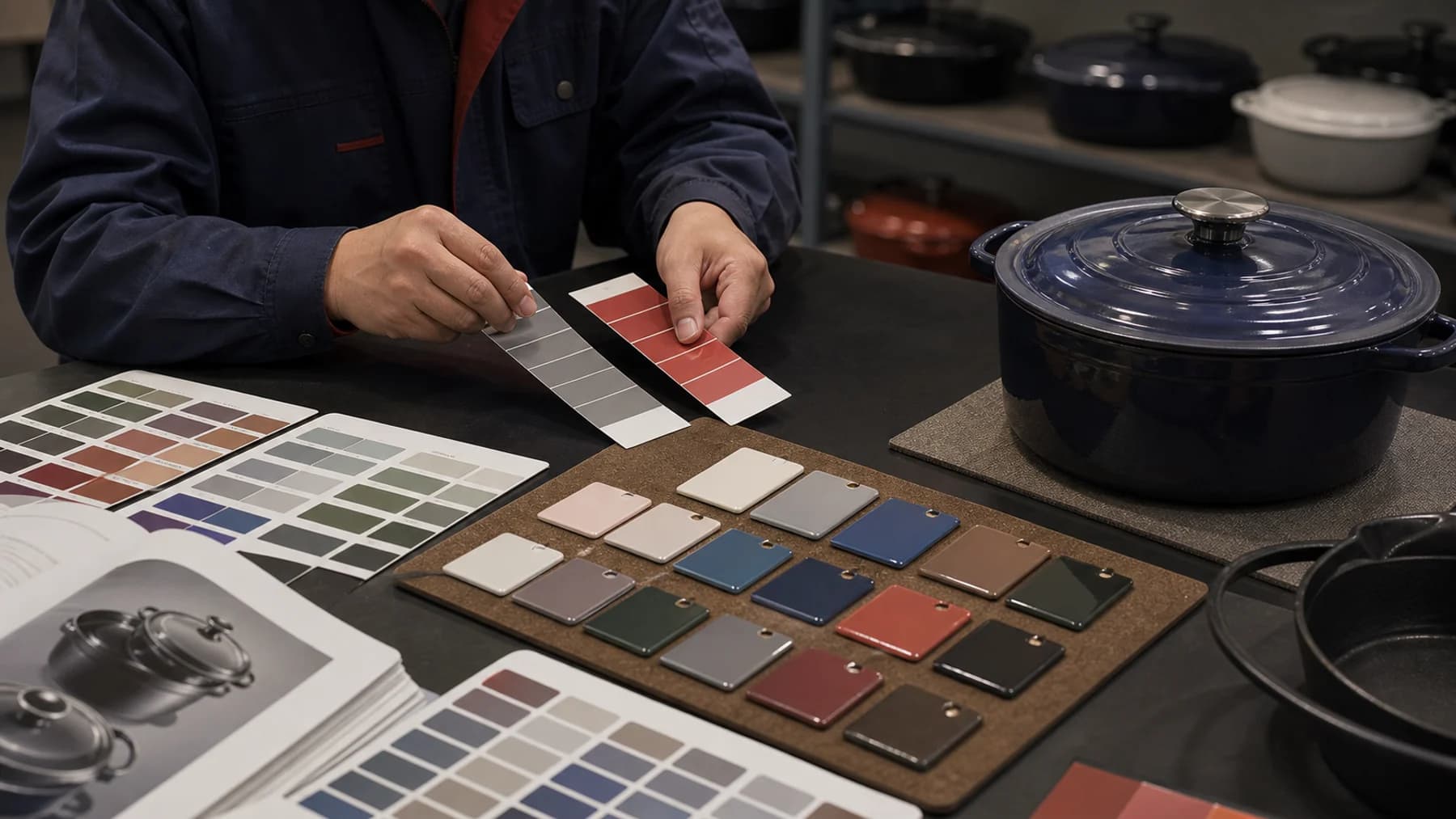
Enamel colors matched for retail collections
Develop seasonal palettes, matte or glossy enamel finishes, and coordinated lid colors before sampling.
- Pantone
- Matte / Gloss
3D Customizer
Plan custom cast iron cookware across product direction, molds, enamel color, finish, logo hardware, packaging, samples, and approval criteria.
Sample-ready
OEM decision board
MOQ
MOQ requires project review by product size, logo method, finish, packaging, and assortment.
Certification Requirement
FDA · LFGB
Lead Time
Schedule requires confirmation after product, sample, packaging, approvals, quantity, and current production review.
Buyer sourcing brief
Happiness supports custom cast iron cookware project review across existing models or new design directions, enamel color or other eligible finishes, logo and hardware, packaging, sample approval, inspection questions, and project-specific RFQ inputs.
Buyer tasks
Evidence paths
Related sourcing paths
Bring your product direction, market, quantity, packaging, proof, and sample questions into one practical project conversation.
Start a custom cookware briefCustomization Studio
Turn buyer choices into sample-ready specs: color, logo placement, packaging structure, and approval criteria.
Color System
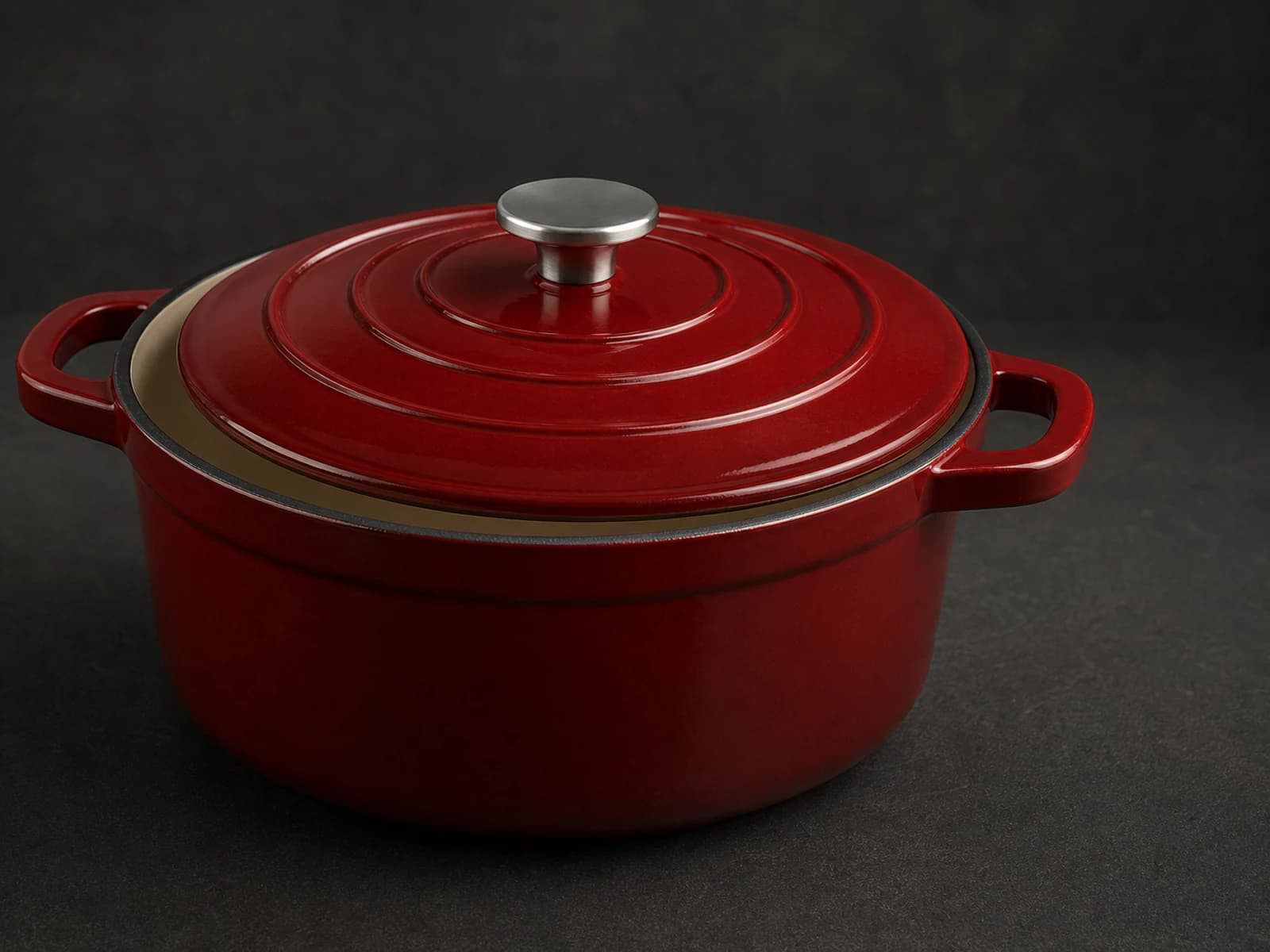
Classic Red
Cream White
Cobalt Blue
Olive Green
Graphite
Sand Beige
Develop seasonal palettes, matte or glossy enamel finishes, and coordinated lid colors before sampling.
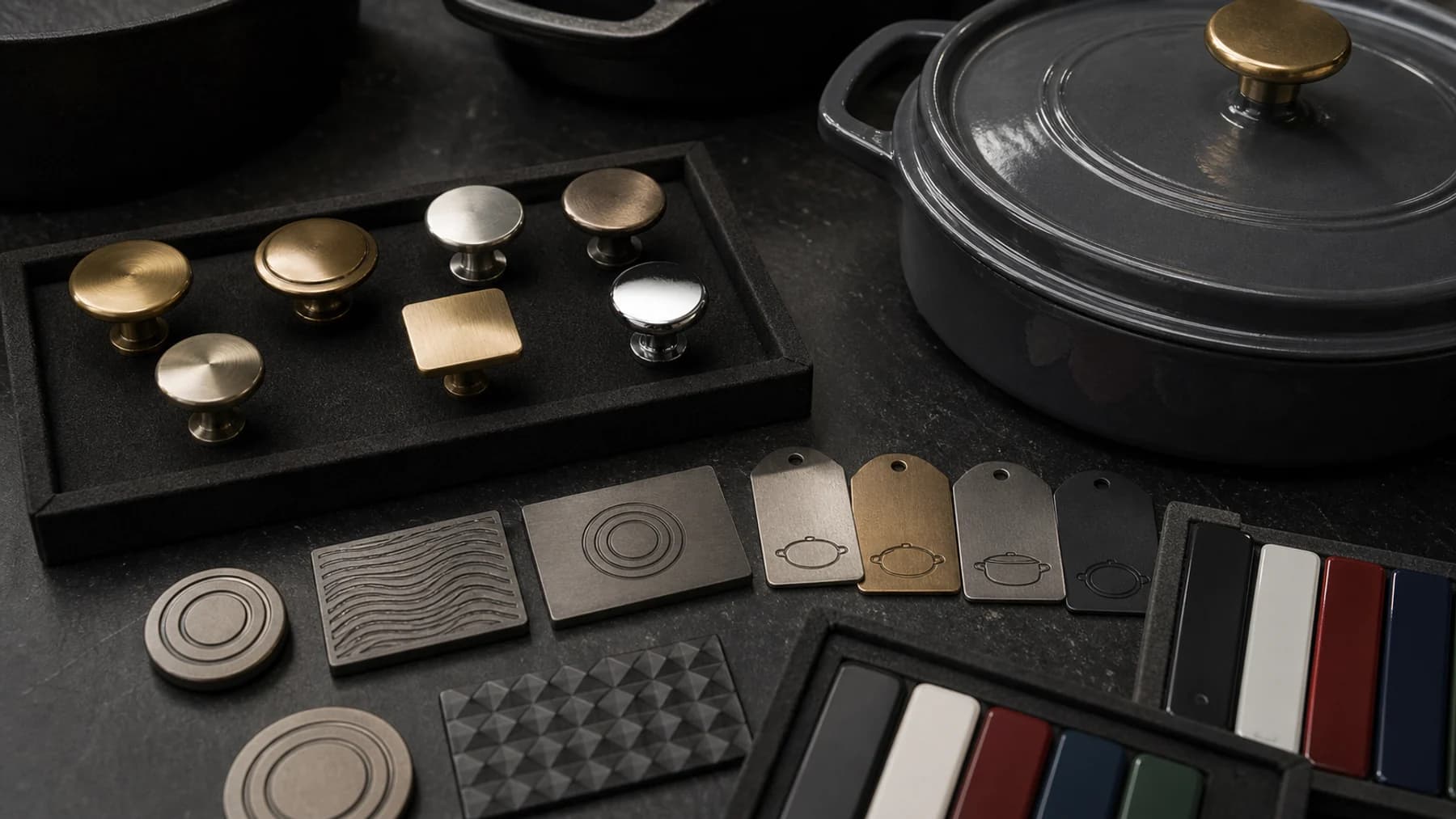
Choose stainless, brass, black hardware, handle marks, lid knobs, and logo placement for private label programs.
Tune the small details that make a cookware line feel owned rather than sourced from a catalog.
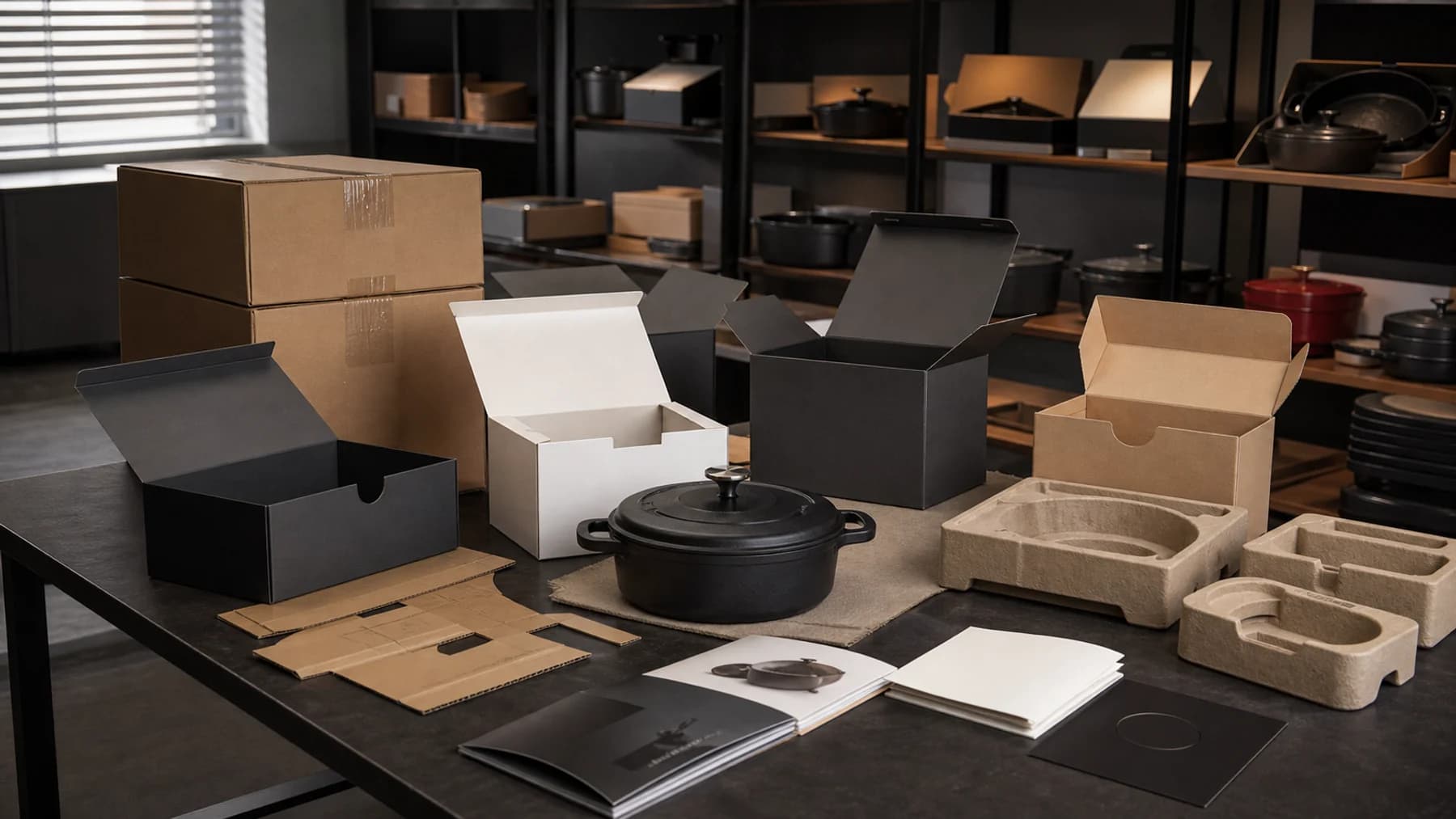
Plan gift boxes, sleeves, protective inserts, mail-order boxes, and pallet-ready export cartons together.
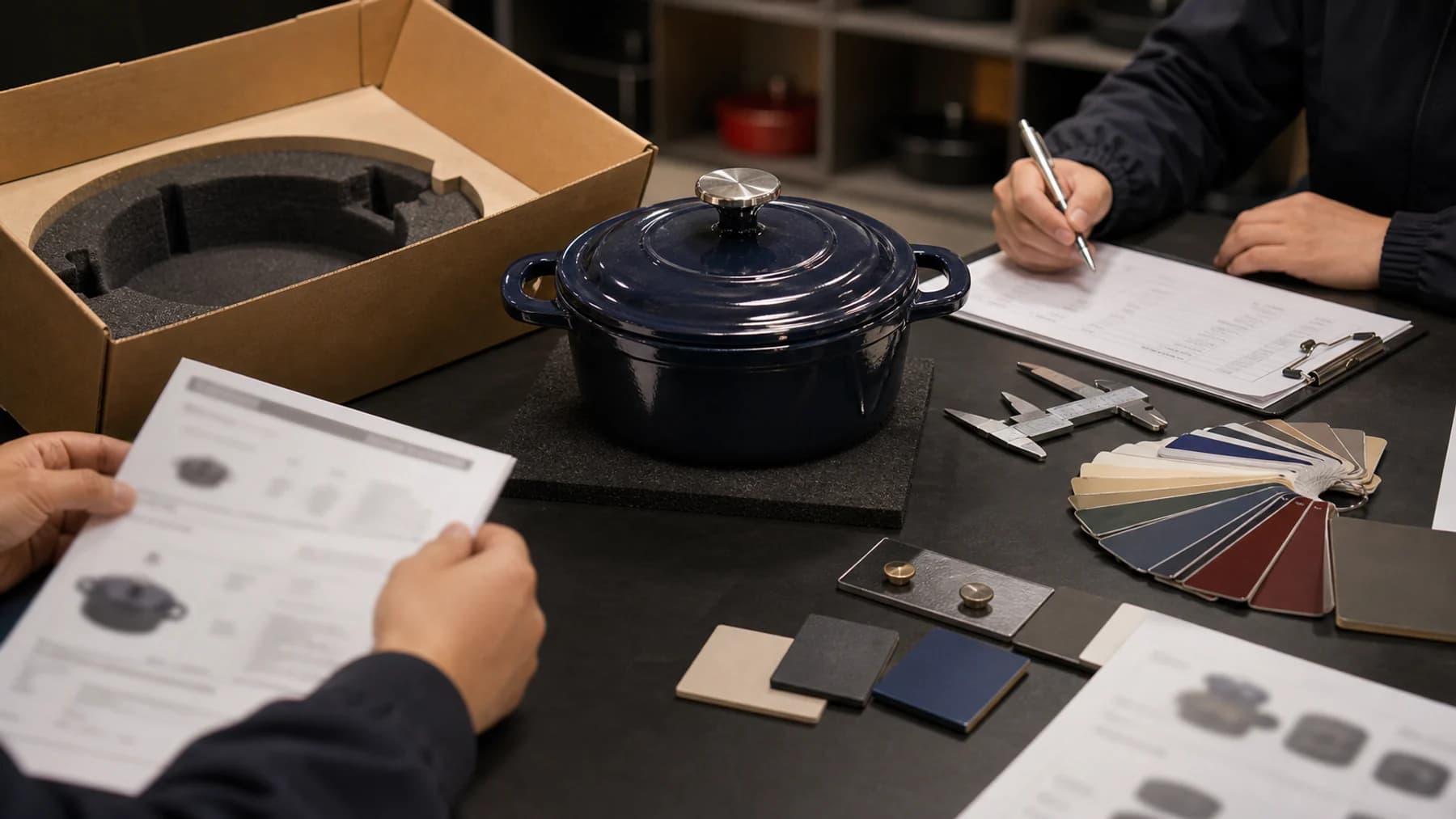
Review color, dimensions, packaging protection, and inspection criteria before moving into batch production.
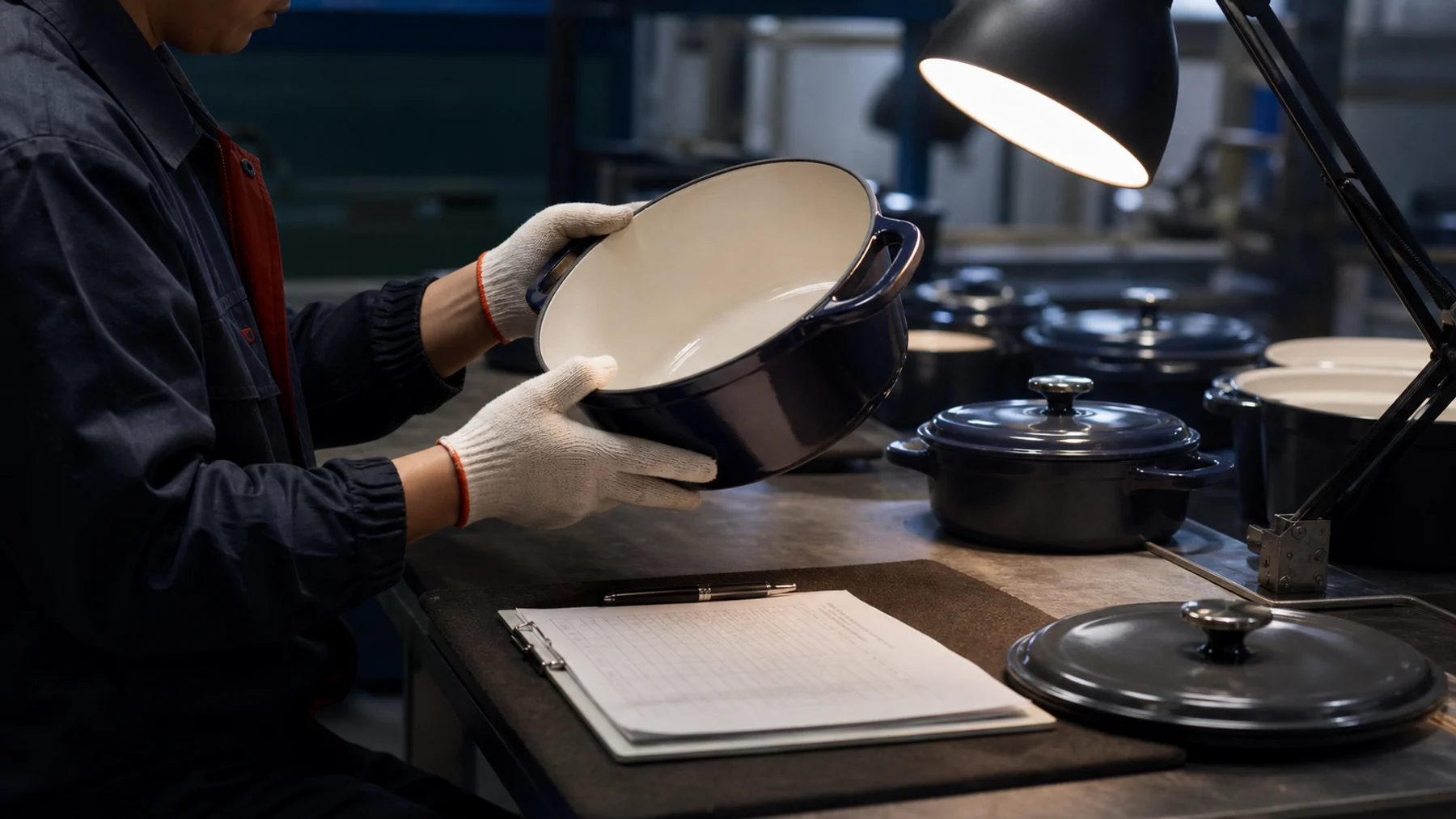
Prepare the documents and batch checks buyers need for US, EU, German, and retailer channels.
OEM / ODM
For brand teams that need a concrete path from concept to sample, packaging, inspection, and export shipment.
Step 1
This step keeps buyer expectations, production planning, inspection, and shipment documentation aligned before the next decision.
Step 2
This step keeps buyer expectations, production planning, inspection, and shipment documentation aligned before the next decision.
Step 3
This step keeps buyer expectations, production planning, inspection, and shipment documentation aligned before the next decision.
Step 4
This step keeps buyer expectations, production planning, inspection, and shipment documentation aligned before the next decision.
Step 5
This step keeps buyer expectations, production planning, inspection, and shipment documentation aligned before the next decision.
Step 6
This step keeps buyer expectations, production planning, inspection, and shipment documentation aligned before the next decision.
Step 7
This step keeps buyer expectations, production planning, inspection, and shipment documentation aligned before the next decision.
Customization decision checklist
A public-safe customization decision checklist that helps buyers connect product scope, color, logo, packaging, sample, compliance, inspection, shipment, and RFQ handoff before sending an OEM/ODM request.
Confirm category, size, lid or handle direction, target channel, quantity by SKU, and whether the project should start from an existing program before asking for price.
Share enamel, pre-seasoned, nitrided, CNC-machined, outdoor, color, Pantone, and care-positioning notes so the factory can route the request to the right process path.
List logo method, logo position, hardware material, knob style, handle requirement, and accessory expectations before the RFQ so sample review has a concrete checklist.
Send packaging format, shipment channel, carton mark privacy needs, drop-test concerns, and mixed-container notes before sample or mass-production planning.
Define the sample type, size check, finish check, logo clarity, lid fit, packaging mockup, approval owner, and target approval date before requesting the sample path.
Name the destination market and document questions such as FDA, LFGB, SGS, BSCI, ISO, SMETA, inspection records, holder, date, product scope, and report-use expectations.
Share inspection criteria, packaging protection, shipment timing, market paperwork questions, mixed-container needs, and contact handoff notes before mass production planning.